And how I love the earthy delicious richness of Welsh Rarebit. Rustic country bread, toasted and covered with a divine ale-and-cheese sauce, broiled until bubbly - what's not to like?
The best Welsh Rarebit I've ever had was in a tea room in Fortnum & Mason in London. It was served with a spicy tomato chutney, which added a not-unwelcome element of heat.
But is Welsh Rarebit really Welsh? And is it Rarebit or Rabbit?
From what I can find in my cursory research, the dish first appeared in the 18th century. It was attributed to the Welsh either because they were too poor to afford real rabbits, using broiled cheese as a substitute, or because they simply had a particular fondness for cheese.
Rabbit seems to be the original name; it's been corrupted to Rarebit over the centuries. In my travels in Britain, I've mainly seen it called Rarebit, and therefore that is the name I use.
Today I decided to make Welsh Rarebit for lunch; since it's just myself and my 16-month-old daughter, I adapted a recipe I found online to serve the two of us.
Welsh Rarebit
- 1 tablespoon butter
- 1 tablespoon flour
- 1/2 tablespoon English mustard powder, or to taste
- 1/4 teaspoon cayenne, or to taste
- 1/4 cup plus 2 tablespoons good quality beer
- 1 tablespoon Worcestershire sauce, or to taste
- 8 oz. Cheddar, Double Gloucester or other English cheese, grated
- 2 to 4 pieces lightly toasted bread
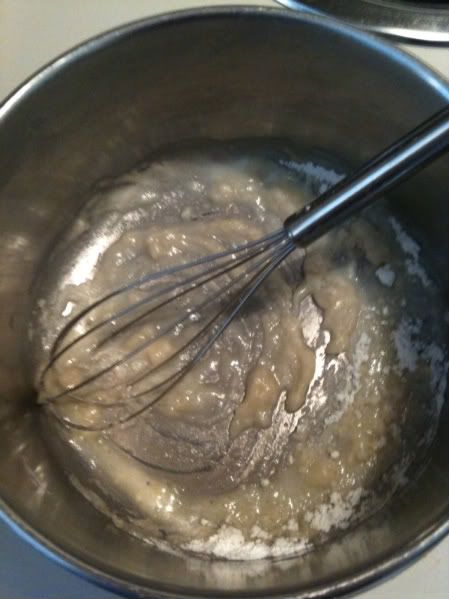
Continue to cook, stirring occasionally, until golden brown and very fragrant, 3 to 5 minutes. Stir in mustard and cayenne, then whisk in beer and Worcestershire sauce.
I used an English mustard powder called "Gunpowder Mustard," which I had purchased in the gift shop of the House of Commons. Coleman's would do just as well.
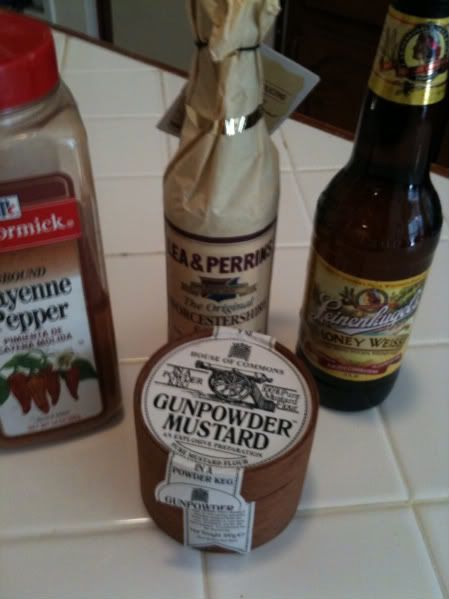
As the mother of a 16-month-old, I am a firm believer in using ingredients you have on hand rather than rushing out to the store to buy something. Therefore, the beer I used was Leinenkugel's Honey Weiss. I would have preferred to use a more strongly flavored beer, perhaps a dark ale, porter, or even a stout.
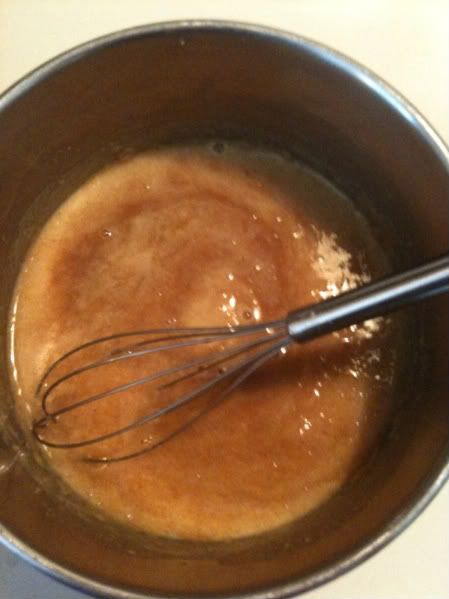
When mixture is uniform, turn heat to low and stir in cheese.
Here again, I took another shortcut - instead of using a fine imported English cheese, I resorted to shredded cheese out of the bag. Sue me.
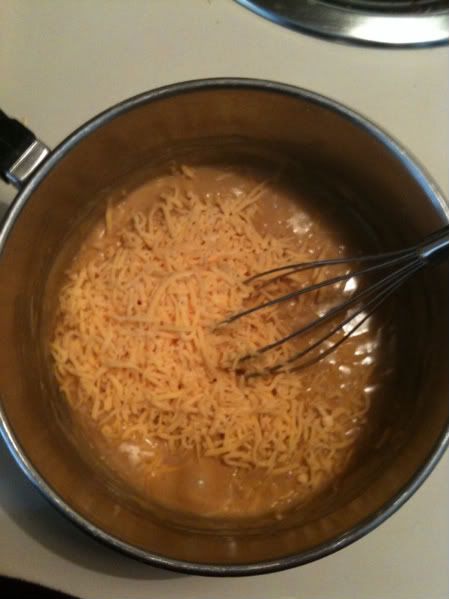
The cheese will take some time to melt.
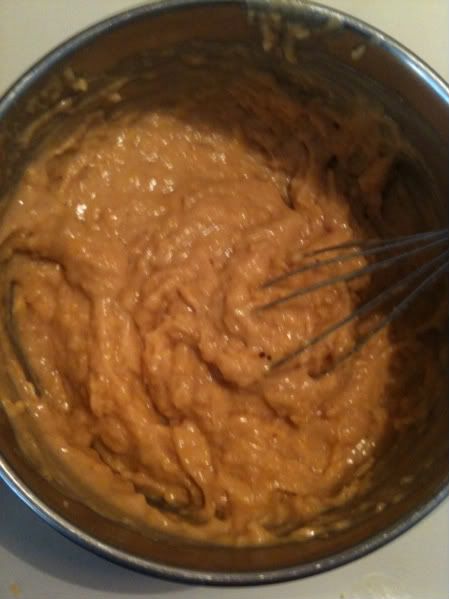
But soon it will develop a rich velvety texture and a glossy sheen.
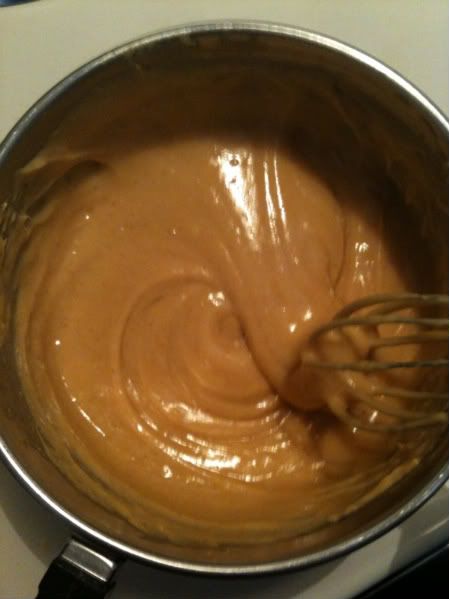
The mixture should be nice and thick.
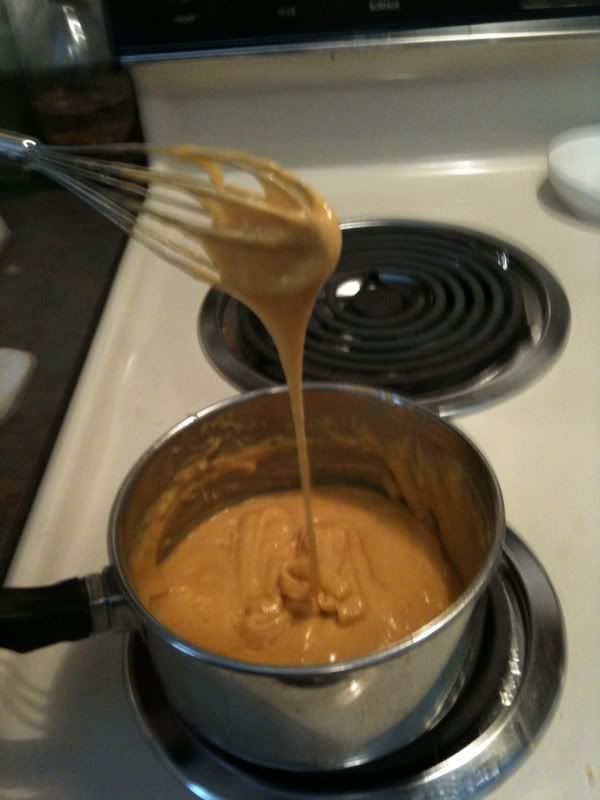
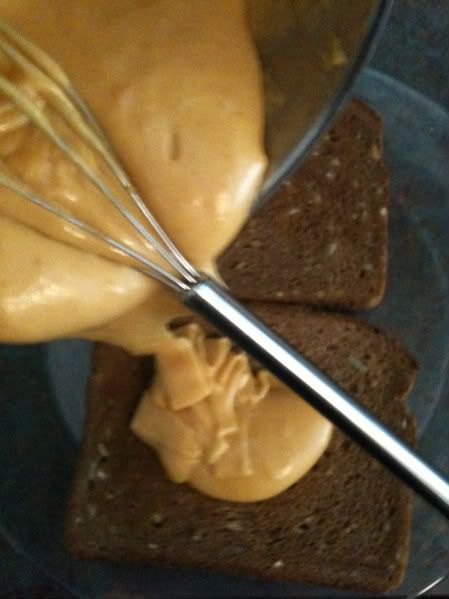
Pour gorgeous ribbons of sauce onto toast, and spread thickly. I used what bread I had on hand, a wheaty, nutty sandwich bread.
Put under broiler until bubbly and edges of toast are crisp.
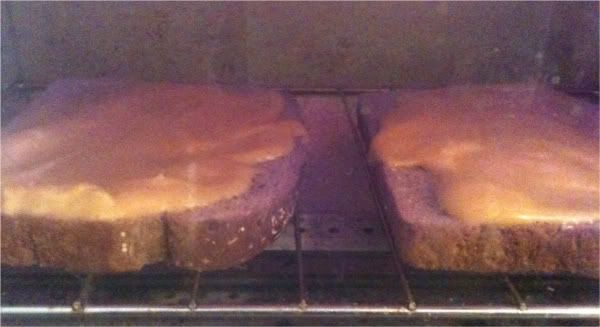
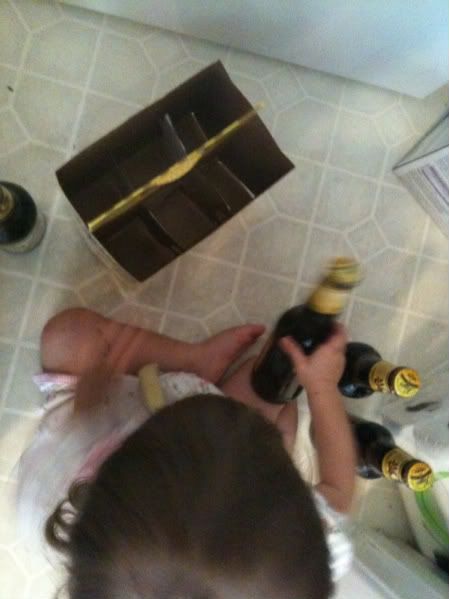
I wanted the sauce a bit golden brown, so it took a few minutes. Meanwhile, I helped my daughter sort the remaining bottles of Leinenkugel's in their cardboard container. One is never too young to be organized.
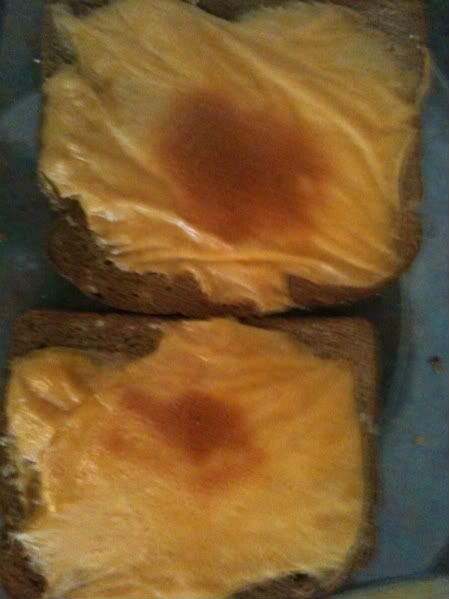
When I took it out of the toaster oven, the sauce deflated a little - I'm sure had I used better quality cheese it might have turned out a little less plastic-looking.
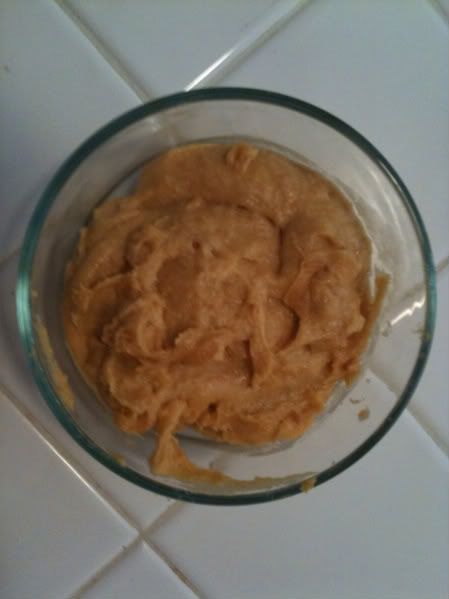
And since I only used two slices of bread, there was plenty of sauce left to refrigerate and spread on toast for a quick broil. It's almost too bad I have no plans to go out and hit the bars, since I can't think of a better late-night snack than Welsh Rarebit.
My daughter is a cheese fiend, and will toss aside a cookie without a backward glance if offered a slice of Gouda. However, Welsh Rarebit did not turn out to be a hit with her. The amount of Cayenne pepper did make it a bit spicy, which could have been a contributor, or it could have been all those snacks I fed her to keep her quiet while I was preparing the Rarebit. Either way, I won't give up. I don't think you're ever too young to appreciate a slice of Wales.
Recipe adapted from: New York Times "Bitten" Recipe of the Day, December 31, 2008


No comments:
Post a Comment